Common Skills & Methods in Thai Cuisine
But food doesn't just come together out of ingredients. At the end of the day, various styles, skills and methods are required to turn one's raw ingredients into a complete meal. Thai people have also developed these skills and methods, and I will be listing them here, along with examples next to them.
1) Stir Frying in a Wok
Why? Stir-frying is a quick and efficient method of cooking that uses high heat. It quickly sears the food and helps to maintain flavour.
Some examples of Thai food that use stir-frying include Pad Thai (national dish of Thailand) and Pad See Ew (Thai stir-fried noodles).
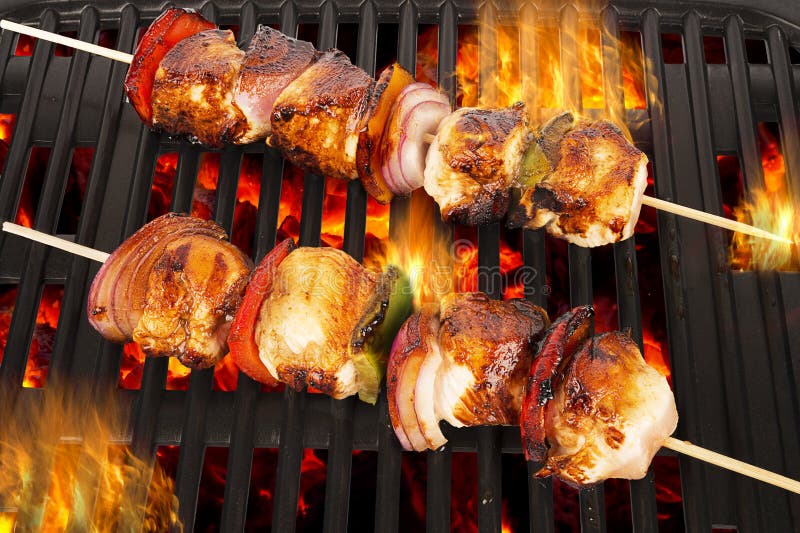
2) Grilling
Why? Grilling adds smokiness to the food, which is found in Thai cuisine commonly.
Examples: Any kind of Thai skewers basically. They are almost always grilled.
3) Slow Cooking
Why? Slow cooking can make the flavours of a dish come together over time.
Examples: A lot of Thai curries in general.
4) Deep Frying
Why? Deep frying creates a crispy texture and enhances the flavour of the food. It’s often used for appetizers and snacks.
Examples: Spring rolls, Tod Mun Pla (fish cakes).
I will now list some common skills used in cooking:
1) Slicing
Why? Slicing is required for almost all Thai dishes. Slicing is required to distribute an ingredient into smaller, more manageable pieces for a dish.
Examples: Slicing ingredients for stir-fries, salad, soup, etc.
2) Chopping
Why? Similar to Slicing (above), Chopping is used for preparing ingredients into smaller pieces for even distribution in dishes
Examples: Chopping garlic, ginger, and chilies for pastes and sauces.
3) Grating
Why? Grating is used to finely shred ingredients like coconut, adding flavour.
Examples: Grating coconut for desserts
4) Mixing/Combining
Why? Properly combining ingredients ensures even distribution of flavours and textures.
Examples: Mixing ingredients for salads, sauces,
Whilst there are undoubtedly more skills than just the ones I have listed being employed by Thai people, this is a basic run-down of most.